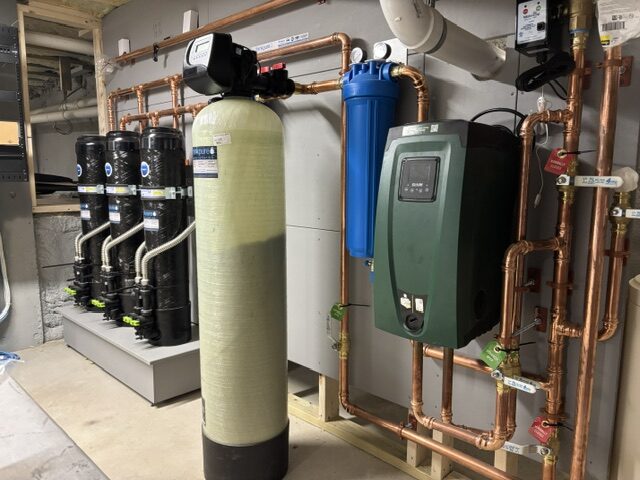
The Logic of Using Copper Piping
ThinkPure is a Local Family Business
ThinkPure is one of the last remaining water filtration businesses that has not sold out to private equity. PE groups have zeroed in on acquiring service businesses as they are AI and Internet proof. They have been beating on our door for the last 5 years. We have seen what has happened to other local filtration companies after selling out and it’s not all good.
In the interest of “maximizing profits”, quality is often compromised. One major area of compromise is defaulting to plastic piping and not going over with prospective clients the option and benefits of using copper piping and fittings. You should know what type of piping is being used for your installation and why. The wellness-related aspects and true value-added features of using copper piping should not fly under your radar.
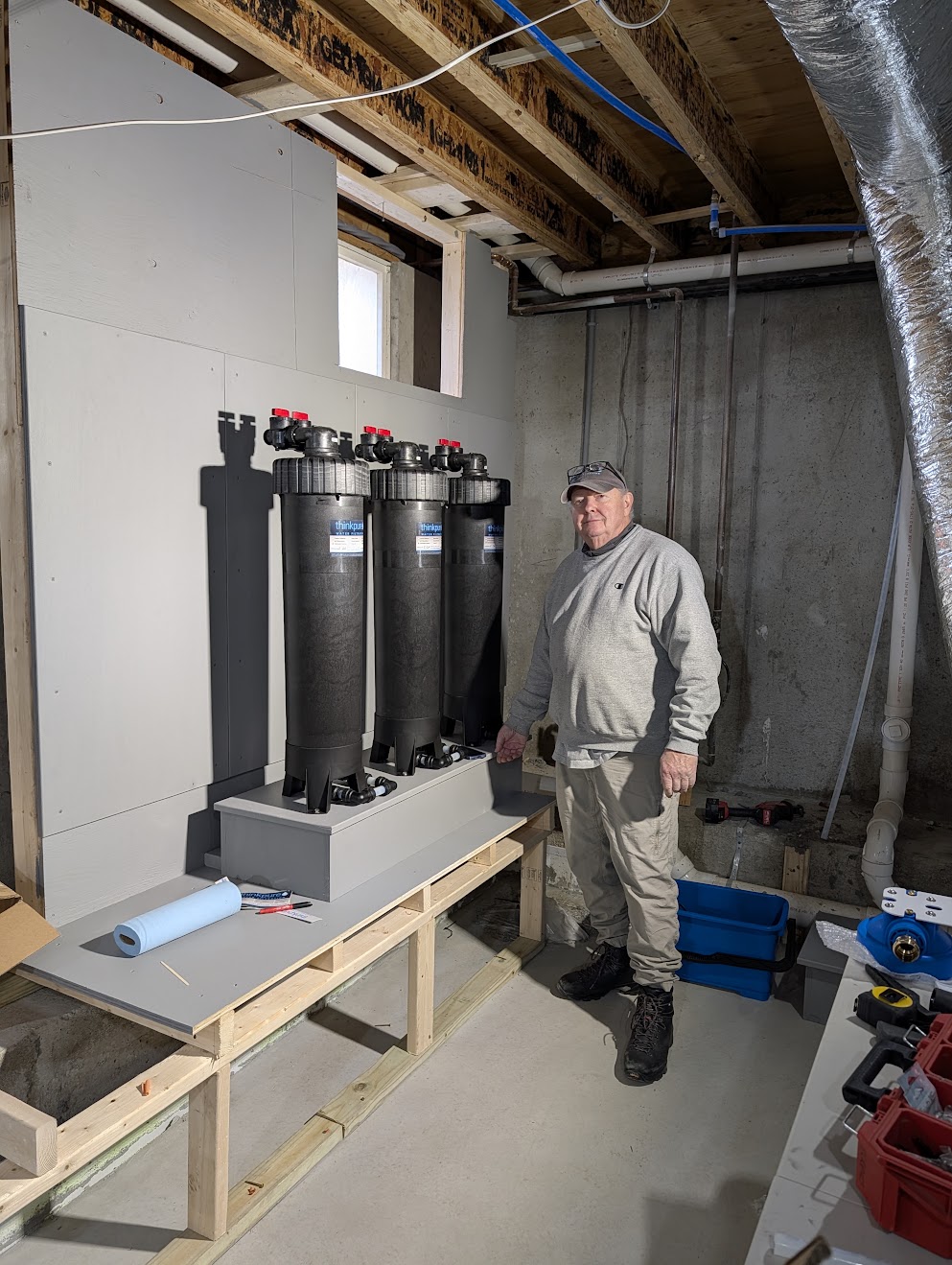
Water Filtration: Copper Piping vs. PEX Plastic Piping
We at ThinkPure and all of our associate Master Plumbers have come to understand that using copper piping for domestic water is of paramount importance. It is especially important when installing filtration. No plumber would ever plumb their own home with any type of plastic piping. With the exception of installing a reverse osmosis filter, where low pH RO water can be corrosive prior to remineralization, plastic piping is only ever used to cut costs. Virtually every modern home that is built to be sold for profit is plumbed entirely in plastic piping.
Most Filter Systems Remove Chlorine
When installing a whole home filtration system in a home on town or city water, we can expect chlorine or chloramine to be present. Although these powerful disinfectants are certainly necessary to keep water relatively free of microorganisms and algae etc., it can be beneficial to remove it before it enters your home. Besides wellness-related issues, chlorine will oxidize water softener resin resulting in poor performance and early failure.
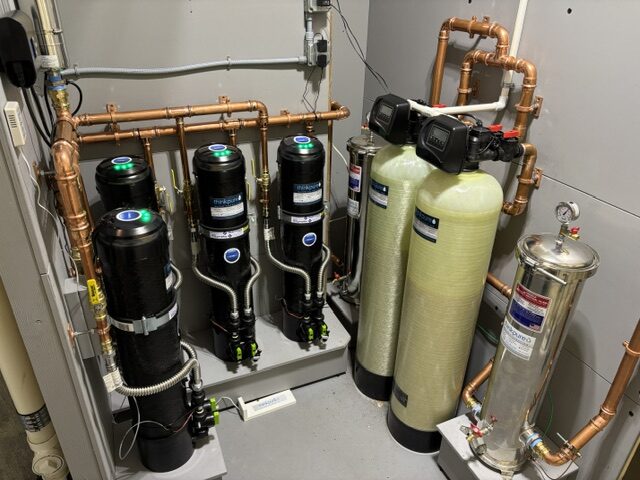
Why Insist on Copper Piping for Water Filter Installation?
Copper can take over where chlorine leaves off. There is a long history of copper being used to purify water and actually kill bacteria. There are written records in Egyptian texts of copper being used to safely sterilize water going back over 4,500 years. These folks of the ancient past were way smarter than we may think.
Modern Recognition: Study Available on PubMed
“Bacteria, yeasts and viruses are rapidly killed on metallic copper surfaces.”
— “Metallic Copper as an Antimicrobial Surface” (PubMed 2010. Authors: Grass, Rensing and Solioz).
In 2008, the EPA registered copper and copper alloys as effective antibacterial surfaces. Copper ions are proven to safely destroy bacteria and it is widely used in hospitals today.
Plastic Piping Can Encourage Bacterial Growth
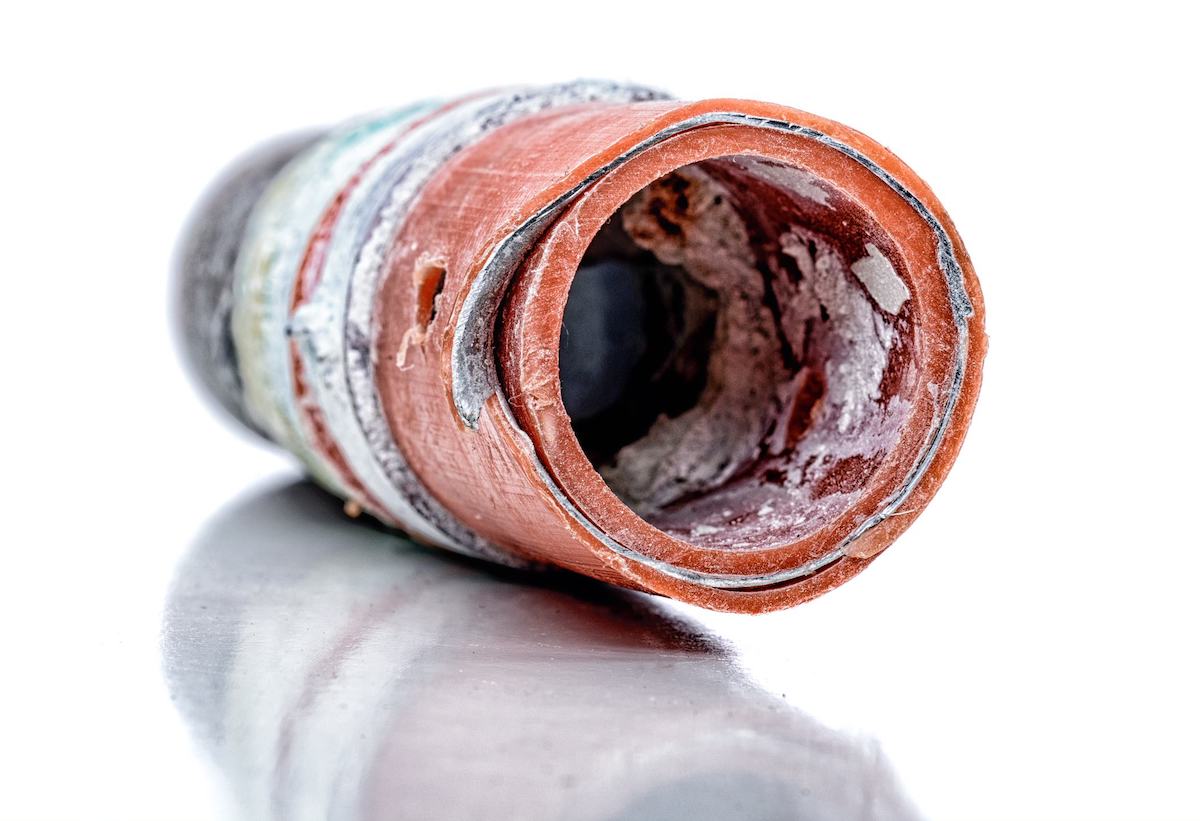
While copper can effectively kill bacteria inside piping, plastic piping actually encourages it to grow. Plastic piping can easily form a bacteria-infested slime when used with unchlorinated or dechlorinated water.
PEX Plastic Piping Can and Does Shed Micro and Nanoplastics
This is well known. Crosslinked polyethylene, a.k.a. PEX, has a chlorine-resistant antioxidant coating on the inside pipe wall. Studies have shown that at around the 10-year mark, this coating breaks down allowing significant amounts of micro and nanoplastic particles to enter into your water as the plastic disintegrates. Copper will never shed anything under normal circumstances except a small amount of beneficial ions.
CPVC or Chlorinated Polyvinyl Chloride Piping (FlowGuard and Other Brands)
CPVC is a bit more costly than PEX. It is non-flexible and must be glued together. It has been known to become brittle and prone to cracking as it ages. It has also been shown to shed micro and nanoplastics over time. Our plumbers totally detest it. Its estimated lifespan is just 15 to 30 years. It is puzzling that this piping is actually allowed in modern plumbing codes even here in Massachusetts.
PEX and CPVC Piping Causes Lowered Flow Rates and Friction Loss
All plastic piping has very thick walls as well as flow/volume reducing, sharp-cornered fittings that, in the case of PEX “A” and PEX “B”, have to fit inside the pipe. These characteristics combine to significantly lower the flow and volume of water. This is especially true when you shower, run a wash, and flush a toilet all at the same time.
Published charts show flow rates for 1” PEX at 7.5 gallons per minute (GPM) while the same 1” copper piping is rated at 10.9 GPM. When the question “will the filter system affect my water pressure/volume” pops up, correct sizing of the filter system components is only half of the answer. The other half is using the correct type and size of piping. Since every type of water filter will cause some amount of friction loss, every effort to mitigate this effect must be made. Using copper piping with its long sweep, fast-flowing elbows and fittings is the best practice.
Flow Rate Comparison: Copper vs. PEX Pipe
1″ Piping Comparison
1.5″ Piping Comparison
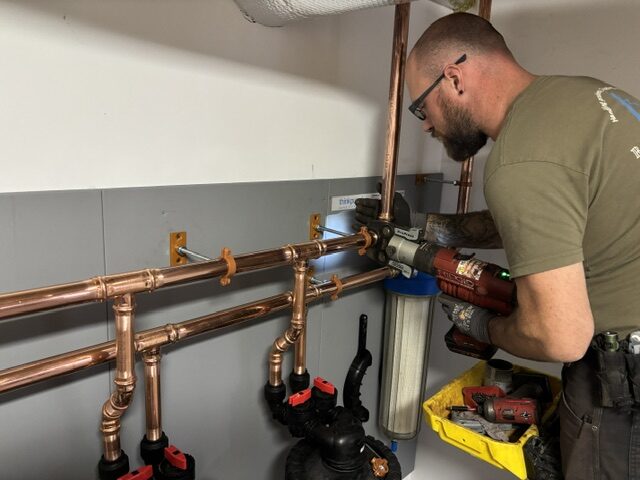
Superior Quality Viega ProPress Copper Fittings
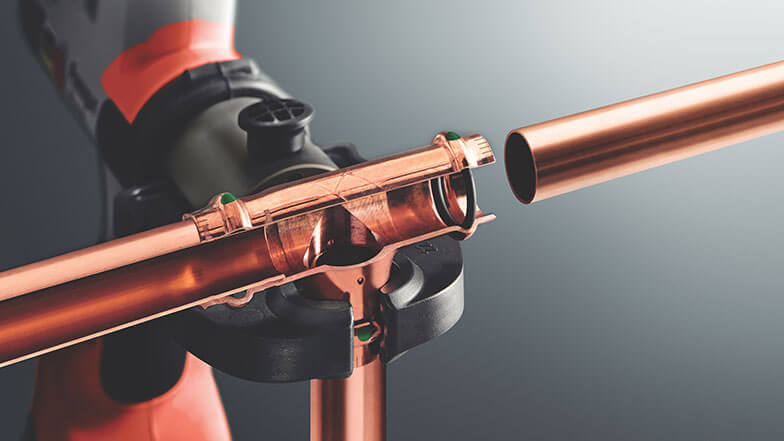
Modern solderless ProPress copper fittings have a long sweep design and go over the outside of the pipe and thus have minimal impact on pressure/volume. The inside diameter of a 1” copper pipe is considerably larger than PEX or CPVC.
Our Competitors Almost Always Default to PEX Piping
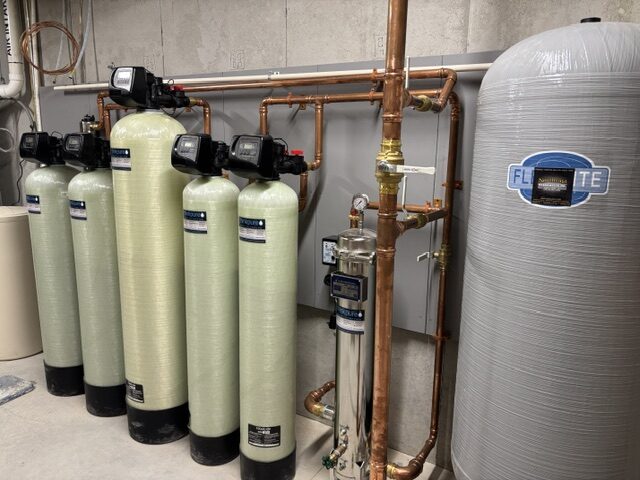
We know most of our competitors will not go over the amazing benefits of using copper piping for your filter system. It is simply putting profits ahead of doing a better job. Even if your home is plumbed in plastic piping, the filter loop, including all fittings and valves, should be copper and lead-free brass for all of the reasons described above.
With virtually zero exceptions, we at ThinkPure, our associate professional consultants, and Master Plumbers will simply pass on filtration installations unless copper piping is used. The good news is that we are often, even when using superior materials, competitive with others in the industry.